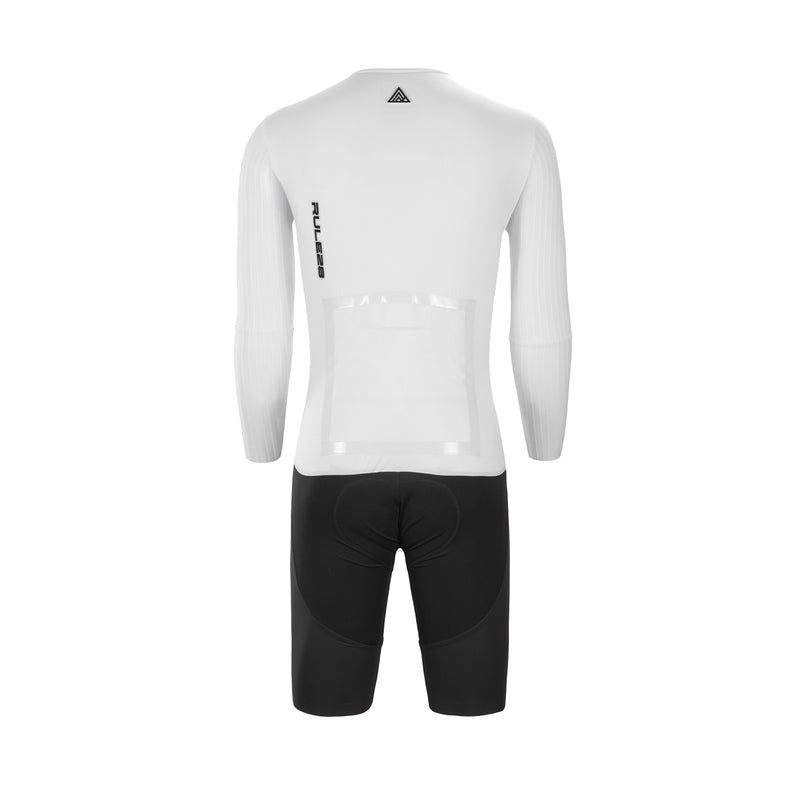
Time trialling is as much a science as it is a test of raw power. The difference between a podium finish and a respectable effort often lies in the marginal gains achieved through aerodynamics. By combining a purpose-built aero kit with a disciplined approach to positioning, equipment choice, and wind management, riders can unlock measurable speed improvements without increasing watt output. This article explores how a dedicated time trial aero kit works in harmony with strategic techniques to produce consistent aero gains in the time trial discipline.
Understanding the Aerodynamic Fundamentals
Before diving into equipment specifics, it is essential to grasp the physics that govern drag in a time trial. The drag force (FD) is expressed by the equation:
FD = ??”???”?CdA”?v??
- ?? (air density) – Varies with altitude, temperature, and humidity.
- Cd (drag coefficient) – Determined by shape, surface texture, and rider position.
- A (frontal area) – The silhouette presented to the wind; reduced by a tucked posture and streamlined gear.
- v (velocity) – The only variable the rider can directly control during an effort.
Because drag increases with the square of speed, even a small reduction in CdA can translate into significant time savings, especially over long courses.
Key Components of a Time Trial Aero Kit
A comprehensive tt aero package typically includes:
1. Skin-Fit Aerodynamic Clothing
- Seam-less or bonded construction to eliminate turbulence.
- Compression fabrics that maintain a tight fit without restricting blood flow.
- Integrated arm and leg sleeves to smooth airflow over joints.
2. Aero Helmet
- Rounded shell geometry that directs air around the head.
- Ventilation designed to balance cooling with drag reduction.
- Compatibility with time trial goggles for a seamless front profile.
3. Time Trial Bars and Extensions
- Shallow drop or tri-bars that allow a low, forward torso angle.
- Adjustable arm pads to fine-tune shoulder width and reduce frontal area.
- Integrated cable routing to keep cables hidden and smooth.
4. Deep-Section Wheels
- Carbon rims with a deep rim profile (typically 45-60″?mm) to cut side-wind drag.
- Disc rear wheels that eliminate spokes from the airflow.
- Tubeless setup for lower rolling resistance.
Strategic Aero Gains Time Trial Techniques
Equipment alone does not guarantee performance; the rider’s technique must complement the hardware. Below are proven strategies for extracting the maximum aero benefit.
Optimising Body Position
- Maintain a narrow shoulder width to keep the frontal silhouette compact.
- Elbow angle should be approximately 90??, allowing the forearms to act as aerodynamic extensions.
- Keep the head in line with the spine; avoid lifting the chin, which increases Cd.
Wind Management on the Course
- Study the route beforehand to identify sections with headwinds, crosswinds, and tailwinds.
- When facing a headwind, stay as low as possible; a slight increase in power can offset the added drag.
- In crosswinds, align the bike’s wheelbase with the wind direction to reduce lateral drag.
Pacing and Power Distribution
- Use a power meter to establish a target average wattage that can be sustained for the entire distance.
- Employ a negative split strategy, start slightly below target power and finish slightly above, to counter fatigue-related posture drift.
- Monitor heart rate and perceived exertion to ensure the aero position does not cause premature muscular fatigue.
Equipment Fine-Tuning
- Check tire pressure before each ride; higher pressures reduce rolling resistance but may affect comfort.
- Align wheels true to avoid wobble, which can increase drag.
- Regularly clean and polish aerodynamic surfaces; dirt and grime increase skin friction.
Integrating Upgrades for Maximum Effect
When selecting time trial upgrades cycling, consider the synergy between each component. For example, a deep-section wheel paired with a well-fitted aero suit yields greater cumulative drag reduction than either item alone. Likewise, a properly adjusted aero bar can enhance the benefits of a streamlined helmet by preserving the low torso angle throughout the effort.
Real-World Impact: Quantifying the Gains
Studies and field tests consistently show that a full aero kit can shave 1-2″?seconds per kilometer at typical TT speeds (40-45″?km/h). Over a 40″?km course, this translates to a potential 1-minute improvement, a decisive margin in competitive settings. Riders who combine equipment upgrades with disciplined positioning and pacing often report a perceived effort reduction, allowing them to sustain higher power outputs without additional fatigue.
Conclusion
Achieving faster times in a time trial is a multifaceted endeavour that blends cutting-edge gear with meticulous technique. By investing in a high-quality aero gains time trial kit and applying strategic positioning, wind awareness, and pacing principles, cyclists can unlock measurable performance gains. The result is not merely a faster ride, but a more efficient translation of power into speed, exactly what the disciplined time trialist seeks.
